Eid is a gifting and hosting occasion with an unusually long build-up and a hard deadline. For Eid al-Fitr, that build-up is Ramadan — a month of preparation, new clothes, food and gifts, ending in a day where everything has to already have arrived. Eid al-Adha, about ten weeks later, has a shorter run-up and leans more towards hosting, home and travel.
Both follow the lunar calendar, so they move roughly eleven days earlier each year and the exact day can shift at short notice. That single fact shapes most of the practical advice below: build campaigns that are dated by rule, not hard-coded into your copy.
Key Takeaways
- The delivery-deadline message is the highest-value campaign. The fear isn't price, it's a gift arriving late.
- The build-up is where the list is built. Ramadan gives you weeks of intent before a single sale message is needed.
- Browsing shifts later. Use a weekday-and-hour schedule instead of assuming daytime traffic.
- Don't hard-code the date in copy. The day can move — write "before Eid", set the date window in the rules.
- Tone over decoration. Warm, plain, useful. If you don't have customers who celebrate, don't run it.
How the two Eids differ for a store
| Eid al-Fitr | Eid al-Adha | |
|---|---|---|
| Build-up | A full month of Ramadan | Roughly two weeks |
| What sells | Gifts, new clothes, sweets, decor, beauty | Hosting and food, home, travel, gifts |
| Peak shopping | The last ten days, heavily evening-weighted | The final week |
| The deadline | Everything must arrive before the day | Same, plus travel booked earlier |
| After the day | Several days of visiting and gifting continue | Similar, plus a longer holiday period in some regions |
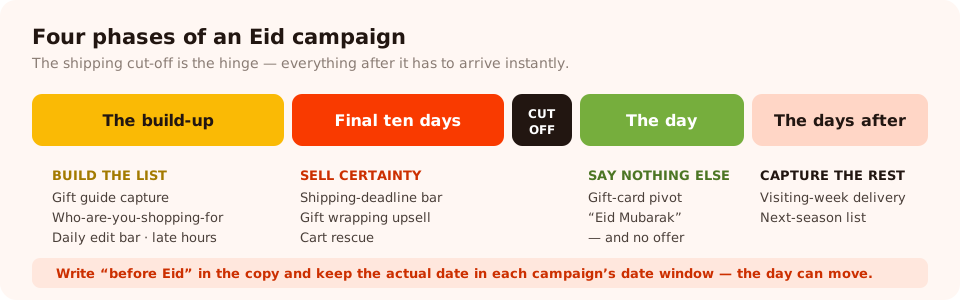
Four phases, one hinge. The shipping cut-off is where the offer has to change.
The build-up: list and intent (ideas 1–4)
1. The gift guide capture
Early in the build-up, on collection and category pages, scroll trigger at 50–60%, one email
field.
"Our Eid gift edit — hand-picked, with delivery dates. Want it first?"
Gift guides are the highest-converting build-up offer because they solve the shopper's actual problem, which is deciding, not paying. The list you build here is what makes the final ten days work.
2. The "who are you shopping for" question
One tappable question rather than a text field — a one-question quiz with options like Parents · Children · Friends · The house, plus an email.
One tap gives you a clean, segmentable answer, which means your build-up emails and your on-site campaigns can be relevant rather than a catalogue. Ask it on a second visit rather than piling it onto the first signup.
3. The daily edit bar
A simple announcement bar during the build-up: "Today's Eid edit: gifts for the little ones." Rotate it every few days with a date window on each version so they hand over automatically.
It interrupts nobody, appears on every page, and gives returning visitors a reason to come back — which is exactly the behaviour you want during a month-long run-up.
4. The late-hours campaign
Browsing shifts later in the evening for many audiences during Ramadan. Rather than assuming, look at when your own visitors are on the site and then use the weekday-and-hour schedule rule to run a campaign in those hours specifically — a gift-edit offer at 11pm reaches a browsing, relaxed audience that your daytime campaign never sees.
The final ten days: the delivery race (ideas 5–7)
5. The shipping-deadline bar
The single most valuable campaign of the whole season. An announcement bar with a countdown:
"Order by Thursday for delivery before Eid."
Note the wording — "before Eid", not a hard-coded date. The day can shift, and copy that ages badly on a moving festival is a support ticket waiting to happen. Put the actual date in the campaign's date window instead, where you can adjust it in one place.
6. The gift-wrapping upsell
On cart and product pages, in the final week: "Add gift wrapping and a handwritten note — free over €50." High perceived value, low cost, and it directly serves the occasion. Better than a discount here, because the shopper's constraint is time and presentation, not price.
7. The cart rescue
Exit intent on cart pages during the final week. Keep the incentive modest and lead with certainty
rather than money:
"Still in time — order in the next 6 hours and it arrives before Eid."
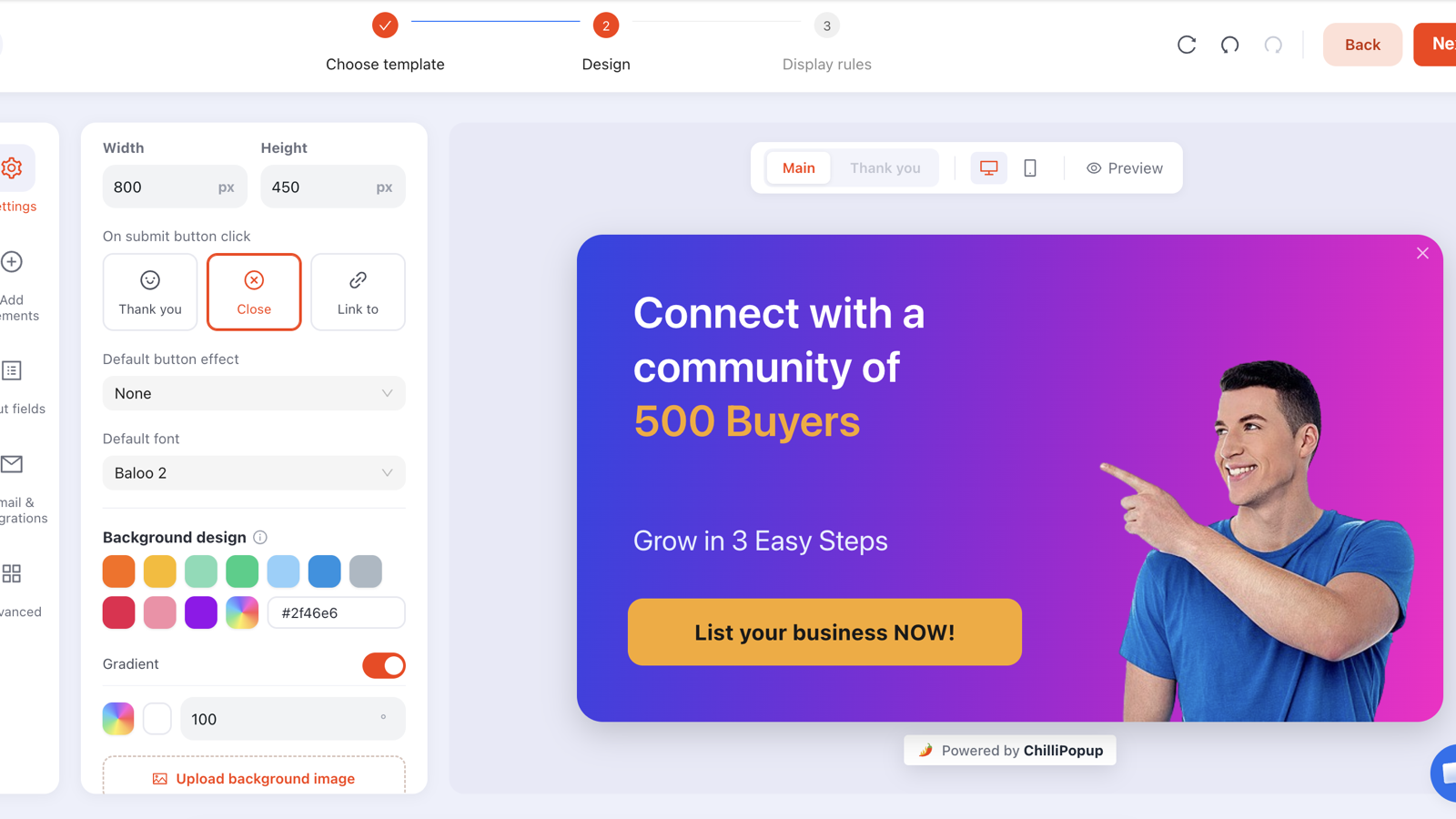
Point the countdown at the shipping cut-off. That's the deadline that's actually true.
The day and after (ideas 8–10)
8. The gift-card pivot
The moment the shipping cut-off passes, swap the campaign rather than pausing it — a date window on
each means the handover is automatic.
"Too late to post? A gift card arrives instantly." This rescues the shoppers who left it
late, and it's the difference between a lost sale and a saved one.
9. The Eid greeting, with nothing attached
On the day itself, a plain, warm message and no offer at all. "Eid Mubarak from all of us."
It's the campaign that most stores skip and the one customers remember. Selling nothing on the day costs you almost nothing and buys goodwill that a discount can't. Set the date window to the day and let it retire itself.
10. The after-Eid capture
Visiting and gifting continue for several days after. A light exit-intent campaign on the days
following:
"Still visiting family this week? Next-day delivery is back." Plus an inline
form for anyone who browsed but didn't buy:
"Want the heads-up before Eid al-Adha?" — which turns this campaign into next season's list.
Start with the gift guide and the deadline bar
Announcement bars, countdowns, gift-edit capture and cart recovery from one editor — with date windows and hour schedules for a festival that moves. Free plan, no credit card required. Paid plans from $29/month.
Start free →Getting the tone right
Eid campaigns fail on tone far more often than on tactics. A few things that help:
- Warm and plain beats elaborate. "Eid Mubarak" and a genuinely useful gift edit reads better than a heavily decorated banner with a 40% sticker on it.
- Be careful with religious imagery. Mosque silhouettes, crescents and calligraphy are used widely in festive design, but they're easy to get wrong. Lanterns, geometric patterns, date-and-sweets photography and a considered palette carry the occasion without risk.
- Check what you're promoting. Alcohol, pork products and anything immodest by the standards of the audience shouldn't be in an Eid campaign. Exclude those collections with a page targeting rule.
- Don't fake belonging. If the brand has no connection to the occasion, a service campaign — a genuinely good gift edit, a delivery guarantee — is more honest and works better than performative decoration.
- Target rather than blanket. If only part of your audience celebrates, run the campaign for them rather than site-wide. Your normal site is the right experience for everyone else.
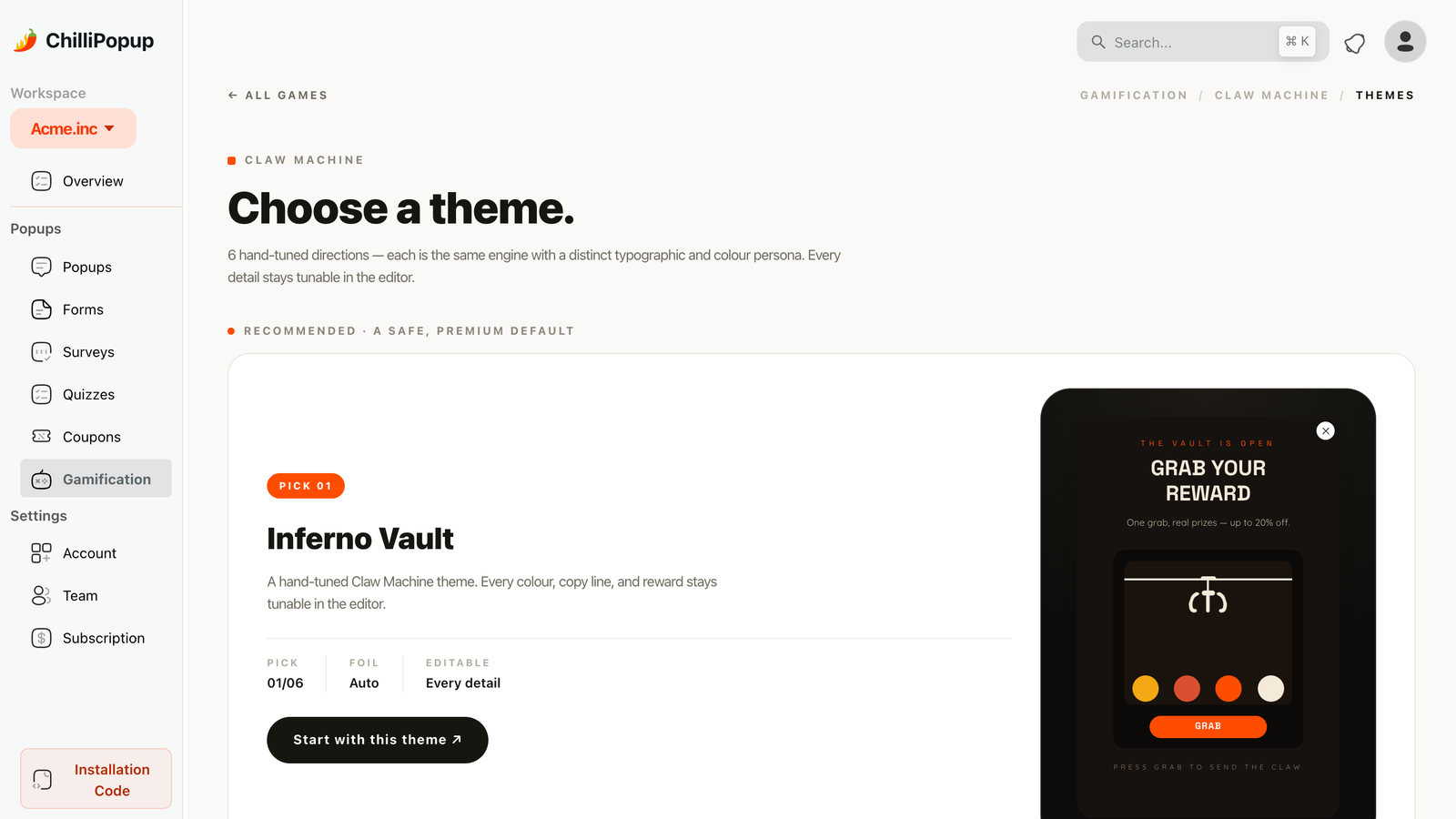
Restyle a template into your own palette rather than reaching for stock festive clip art.
Copy for the season
| Instead of | Try | Why |
|---|---|---|
| "Eid Sale — 30% off!" | "Order by Thursday for delivery before Eid" | Certainty is the real constraint, not price |
| "Shop our Eid collection" | "Gifts for parents, under €40, delivered in time" | Solves the actual decision the shopper is stuck on |
| "Free shipping" | "Free gift wrapping and a handwritten note" | Fits a gifting occasion and costs less than a discount |
| "Last chance!" | "Too late to post — but a gift card arrives instantly" | Honest, and still offers a way through |
| Sale banner on the day | "Eid Mubarak from all of us" | The one day where selling nothing is the better campaign |
The rules a moving festival needs
Ten campaigns across six weeks, on a date that shifts every year, only works if the rules carry the schedule. All of these are per campaign, in display rules:
- Date windows on everything. This is how the handover works — the deadline bar ends and the gift-card popup starts the same hour, and the greeting appears only on the day.
- Weekday-and-hour schedule for the late-hours campaign, so it runs when your audience is actually browsing.
- Page targeting to keep the campaign on the relevant collections — and to exclude any collection that doesn't belong in an Eid campaign, with a does not contain rule.
- Audience — new visitors for the gift-guide capture, returning visitors for the "who are you shopping for" question and the next-season list.
- Frequency — once a day. A shopper browsing twenty gift options over an evening should meet each campaign once.
- Show again after conversion — off, so someone who already took the gift guide isn't offered it for the next three weeks.
One practical note for a season this long: exit intent is a cursor signal and doesn't exist on phones, and mobile share tends to be high in evening browsing. Build the mobile version of each campaign on a scroll percentage or the inactivity trigger instead.
Four mistakes to avoid
- Hard-coding the date in the copy. The day can shift by 24 hours at short notice. Write "before Eid" and keep the actual date in the campaign rules.
- Leading with a discount. On a gifting deadline, certainty of delivery is worth more than a percentage — and costs you less.
- Running it site-wide when only part of your audience celebrates. Target it. The rest of your visitors should see your normal site.
- Leaving the campaign up afterwards. An "order before Eid" bar still running a week later is the clearest possible signal that nobody is minding the site. Date windows solve this permanently.
What to measure
- List growth during the build-up. The leading indicator for the whole season.
- Orders before versus after the shipping cut-off, which tells you whether the deadline bar worked.
- Gift-card share after the deadline, the measure of whether the pivot landed.
- Average order value with and without the wrapping upsell.
- Conversion by hour, if you ran the late-hours campaign — that's the number that tells you when to schedule it next year.
- Campaign conversion rate. Each popup, form, survey and quiz reports its own opens, unique views, clicks, submissions and conversion rate, so next season you rebuild only the ones that earned their place.
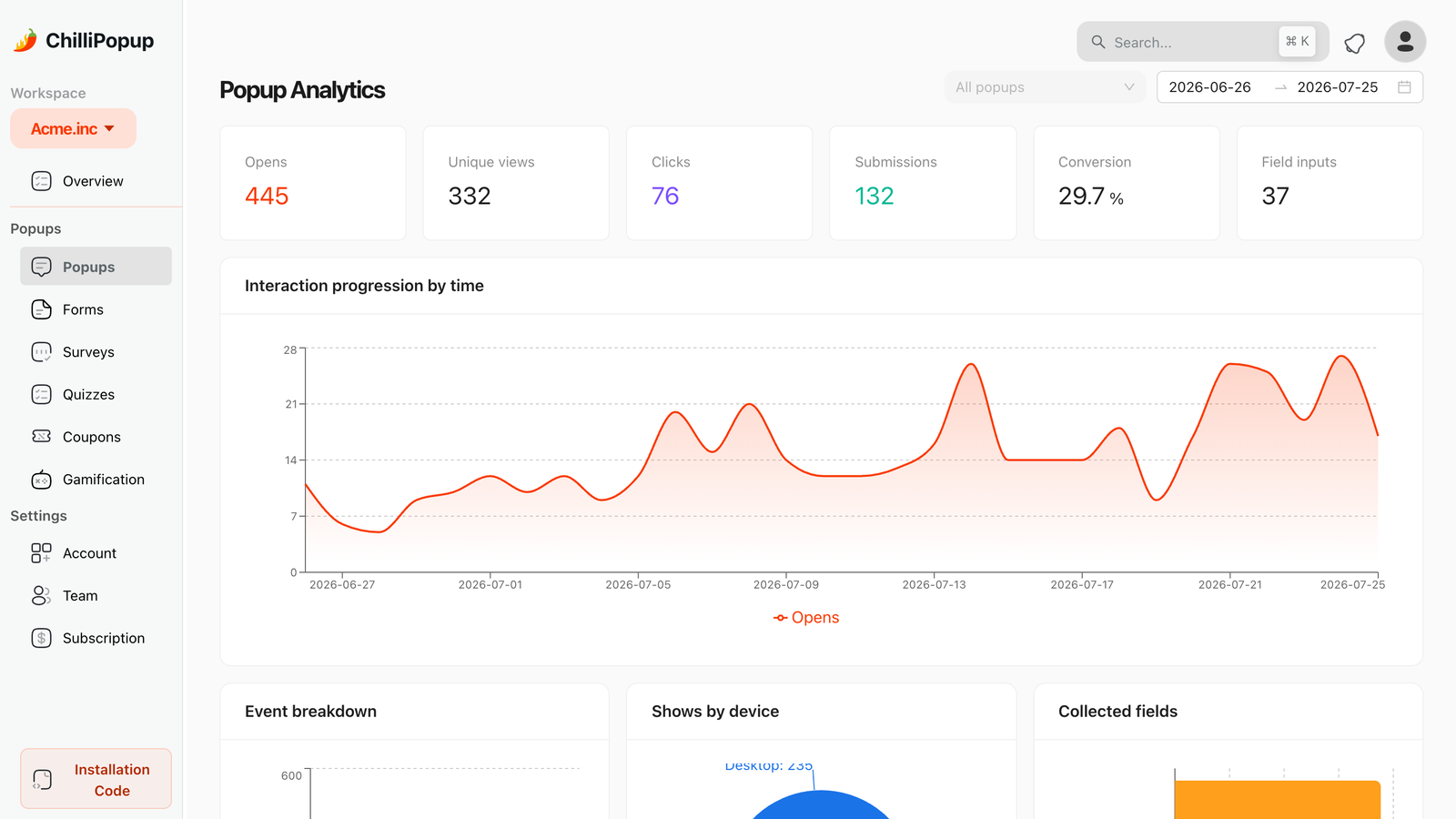
Because the date moves, last year's numbers are the only calendar that matters — keep them.
Related reading
Frequently asked questions
When are Eid al-Fitr and Eid al-Adha?
Both follow the lunar Hijri calendar, so they move roughly eleven days earlier in the Gregorian calendar each year. Eid al-Fitr marks the end of Ramadan; Eid al-Adha falls about ten weeks later. Because the exact day depends on the sighting of the moon, it can shift by a day at short notice — which is why campaign copy should avoid hard-coding a date.
What is the difference between the two Eids for a store?
Eid al-Fitr follows a month of Ramadan shopping and behaves like a long build-up ending in a gifting and new-clothes rush. Eid al-Adha is shorter in the run-up and weighted more towards hosting, food, home and travel. The same campaign structure works for both, but the products and the length of the build-up differ.
Should a non-Muslim-owned business run an Eid campaign?
It depends on whether you have customers who celebrate. If you do, a well-made Eid campaign is a service to them. If you do not, a themed banner is decoration with no audience behind it. When in doubt, run it as a targeted campaign for the visitors it is meant for rather than site-wide, and keep the tone plain and warm rather than performative.
What should an Eid popup offer?
Whatever helps someone prepare or give. Gift bundles, gift wrapping, a delivery guarantee before the day, a gift card for late shoppers, or a curated edit. Steep discounting matters less here than certainty — the shopper's fear is that the gift will not arrive in time.
When should the campaign start?
For Eid al-Fitr, start early in Ramadan with list-building and a gift guide, then move to the delivery-deadline message in the final ten days. For Eid al-Adha the build-up is shorter, so start about two weeks out. In both cases the shipping cut-off is the single highest-value message you will run.
Do late-night popups really matter during Ramadan?
Browsing patterns do shift later in the evening and into the night during Ramadan in many places, so a campaign set to show only during daytime hours can miss a meaningful share of the audience. A weekday-and-hour schedule rule lets you match your campaign to when your visitors are actually on the site.